

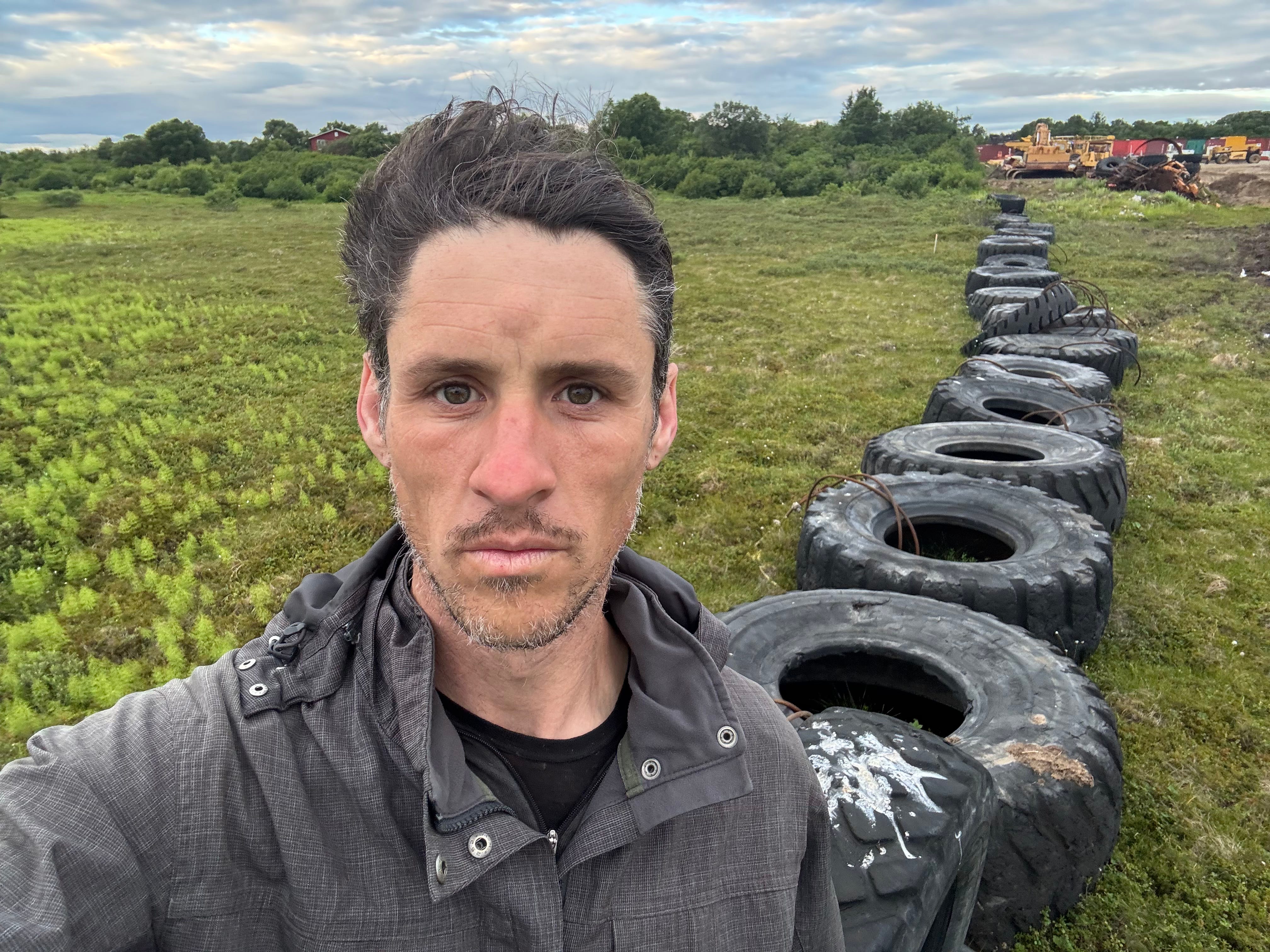
Took a summer break to go commercial salmon fishing in Alaska, and practice what I try to point to here, not preach.
Last winter, I spent a couple hundred hours making a guide for men. I called it BOWING IN. It offered frameworks, re-writes, and practices on some of the most difficult topics in men’s lives: work, money, fatherhood, intimacy, death, purpose, the whole bit.
The feedback was consistent: it’s too much, Sean. And it goes over the heads of men who are just starting along their journey of opening their eyes and minds, personal development, relational vitality, whatever they’re calling it these days.
I want to meet men where they’re at, so I’m putting that whole project aside and returning to the beginning of my own path. I’ll share the skills and practices I learned that helped me become less of an arrogant, self-centered asshole.
Over the next many posts, I’m going to offer tools and resources for you to come home to yourself, that you might feel clearer, more purposeful, more skillful and attuned in your relationships. Like you belong, like you’re acceptable, lovable, worthy, deserving, and trustable.
All those things that most men would never admit to wanting more.
But this isn’t therapy: there’s nothing fucking wrong with you.
You are whole and complete as you are, right now, in this moment.
Most of the problems I see in working with men 1:1 are capacity issues. Even the big stuff can be worked and changed with practice and skill. It works best in connection with other men who are asking deep questions and sticking around for the answers. Bring these to your men’s group, a trusted friend or mentor, or the husband of your wife’s friend that you respect.
If you build these skills through practice, you will hate and criticize yourself less often, and possibly love and accept yourself more. When you build the relational skills through practice, your relationships will be a million times better.
You’ll feel attacked less often when women talk about how they feel about men. You’ll be more trustable to women because they will be able to see that you are in relationship with the parts of yourself that you once hid from. The men in your life will trust you more. Not because you saved each other’s lives, but because you stopped saving each other from the things you were scared to feel.
I don’t give a shit if you arrived here from Silicon Valley or the North Slope, from an aircraft carrier, a mega-yacht, or a crabber out of Dutch. You might have been on the front lines of combat, EMS, law enforcement, or spent your life in the trades.
What you do and what you have does not matter here. What matters is who you are. Not just in your own head, but in the lives of others.
If you’re a man, more connects you and I than either of us has been taught to believe.
If your hackles are up but you’re still reading, this is for you, brother.
We start with the thing that connects us to life, and to each other: the breath.
The First and Last Thing
What a poet’s stray line, ten days of silence, and a scraped-up four-year-old taught me about the practice you can’t skip
It’s six o’clock on a Sunday and I’m doing the dishes.
My son is out back with a scraped-up elbow from a scooter crash earlier today.
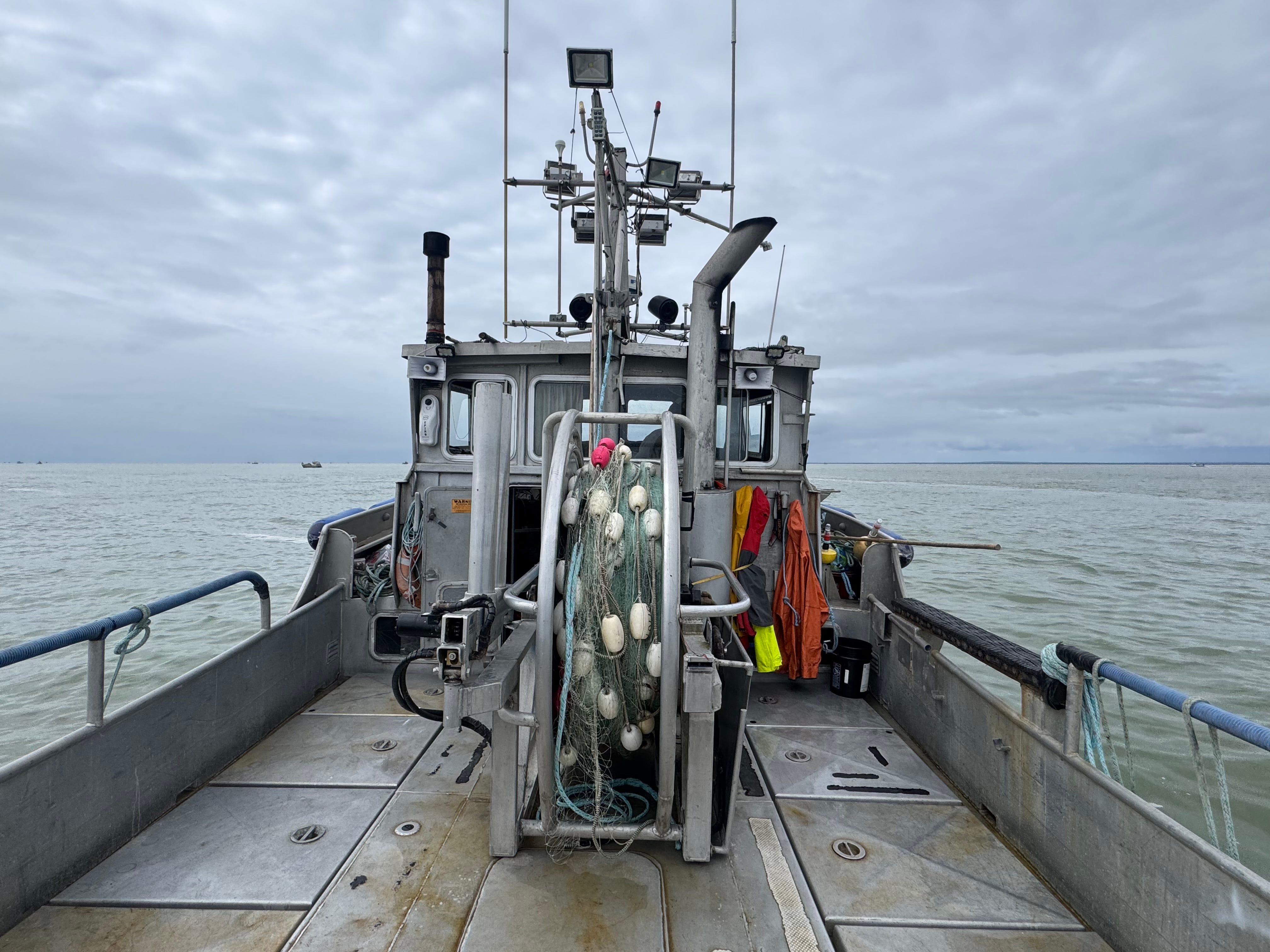
I just got back from a commercial fishing season in Alaska that was everything but a total failure.
The finances are uncertain right now.
The rest of the summer looks packed, planned out on the hopes of a successful catch up north.
All of it is right here in front of me. All the anxiety, the gratitude, the fear, the wisdom, the irritation, the abundance. I’m doing my best to do the dishes just for the sake of doing the dishes.
I spent twenty minutes scrolling Substack Notes, reading brilliant lines from writers who clearly have the kind of quiet, uninterrupted hours I don’t have right now.
I have a four year old.
I don’t get to sit around doing things like completing thoughts, let alone composing cleverness consistently enough to get noticed.
If anything, that’s the trade I’m making in this season of life. A lot of my energy goes straight into this kid, and the rest goes into staying functional enough in the adult world, the money world, the whole grinding machine, so I can keep feeding him and building the life we want.
I wrote a piece recently about a weekend with a hundred and forty men in the woods, about two women who walked into our circle and asked whether we could even have a real conversation about power and gender without falling apart.
I wrote it the day before I left for Alaska. When I read it again a month later, it said everything I’ve been trying to say for years.
There was nothing left to preach. No more judging to do. The work ahead was clear: men wanted to know what they could do to gain a seat at the “table” where we can start to talk about creating real change in the world.
So let me go back to the beginning. Before the woodshop. Before I understood any of this. I was fishing, just starting to notice the trauma I was hauling around, the reactivity, the way I kept jerking my marriage around because I couldn’t commit to it or to myself.
A slam poet named Buddy Wakefield once mentioned Vipassana meditation in one of his poems, sometime back in the mid-2000s. It stuck. I looked up the center he’d written about, a Vipassana hall in Washington state, and I went and sat in the same room.
Ten days.
Twelve hours a day.
No talking.
No phone.
Nothing to do but pay attention to breath and sensation.
I did not get enlightened.
I’m not qualified to teach that technique and I won’t pretend to be.
There are people who’ve given their whole lives to it, and if that path calls you, go find them.
What I learned, the thing I am qualified to point to, is smaller than enlightenment and somehow more useful.
I learned how to pay attention.
I felt the texture and depth of my own breath for the first time.
The stretch of my ribs as I inhaled.
The air leaving my nose as it brushed my top lip.
I started to see the pattern of stimuli to response:
sound enters the ear → the ear, a transducer, translates acoustic vibration into electrical current, sends it to the brain → the brain fires a reaction → a physical sensation arises → judge the sensation as good or bad, feel some emotion about it → react to the emotion → repeat forever
Your breath is one of the first places your body tells you what’s already happening.
Big inhale, you need more oxygen.
Shallow and fast, you might be scared.
Long and slow, your system is telling your heart it can slow down too.
Deep and steady, you’ve got room.
Capacity.
This isn’t a theory I picked up from a book, though the researchers who study the vagus nerve have spent careers mapping the thing your body just knows.
In men’s work, I learned an exercise that taught me this in the body instead of the head. It’s an advanced-level practice, but I want you to know what’s possible here.
Two men stand facing each other.
Eye contact the whole time.
Breathe together, big and fast, for a whole minute.
Both of you breathe out as far as it goes and hold it.
Dignity in the posture.
Relax the shoulders.
You hold while the body starts to panic, because that’s what a body does when it needs oxygen
Your face begins to tremble
Your mouth wants to open on its own
Your lungs beg
You will yourself to stay, to match the man in front of you, staying present while physical sensations begin to gnaw
It’s not some mind over matter thing. We’re not demolishing fear.
We’re learning its texture, and noticing what’s also true alongside it.
The more you notice what else is true when fear in in the body, the more capacity you develop.
Learning how to stay with the discomfort and choose, on your own timing, when to let the breath in, ever so slowly, all the way in.
Hold full.
Breathe again, slow, again from choice this time, not because the lungs demanded it
Keeping the heart open, purpose aligned, while a stranger’s eyes hold yours.
Training the body to be witnessed, in fear, learning, and presence.
Training the mind to relate to fear in a dynamic way instead of being ruled by it.
Capacity offers optionality.
Optionality is the ability to choose a creative response over the impulsive one.
Capacity is a trainable practice.
When my son fell off his scooter today and scraped his elbow and cried the way a four-year-old cries when the world has betrayed him, I didn’t try to shut it down, assure him it was okay, or tell him how brave he was being.
I got down, put my arms around him, and breathed. Slow, audible, the kind he could feel as much as hear. I told him I was here. “You were going really fast,” I said, and then you fell, and that hurt your elbow!”
I told him that I wasn’t going anywhere.
Then I called his mama, who brought the car and the first aid kit.
Because breathing only does so much in an emergency.
But the breath is what kept me connected to him instead of just managing my own anxiety, fear, or embarrassment. It’s what helped bring him back from wherever pain that big takes a four-year-old.
That’s the whole practice, as far as I can tell. Breath is the first thing you do when you arrive on this planet and the last thing you’ll do before you die.
Everything in between is training for doing it on purpose instead of accident.
Some people spend their entire lives just focusing on their breath.
I often tell the men who come to my retreats: “if all we did was sit and breathe together, that would be enough” - a teaching I heard from one of my teachers, Eli Buren.
For our purposes here, paying attention to the breath is where the work of the integrated, cultivated man begins, but not where it ends.
In the next post, we’ll build from here.
If this material landed for you: Bowing In is a guide for men cultivating purpose, depth and relational vitality in their lives. Not for the faint of heart. The guide is the map. If you want a guide for the territory, apply to work with me 1:1.
4’s a big age to parent. breathing helped a lot. still does, she’s 10 now.
i appreciate what your putting out here, i’ll stay tuned in.
The shift from a dense guide to a simpler, more accessible path shows your humility and care. It was an inspiring read. Thank you for sharing.